Jack Mountain Bushcraft Logo Bushcraft And Sustainability Field School
Professional Bushcraft, Wilderness Travel And Sustainability Immersion Programs Since 1999

"The more you carry in your head, the less you carry on your back."


winter bushcraft and survival Registered Master Maine Guide


Bushcraft & Sustainability Field School
Background Information


"I highly recommend the ESSP to anyone interested in living more fully. The instructors and the material covered not only broadened my awareness of the natural world, but also taught me to begin to perceive life, with all its subtleties, in a much deeper way. All the skills taught during the ESSP, from primitive fire-making to brain-tanning to mukluk sewing, were presented in a useful and enjoyable manner. I am so grateful for all the lessons I learned in the ESSP and know I will reference them time and time again throughout my life."
- Aiyana Booth-Athenian, ESSP Winter 2003


Food and Meals

  While on trips all meals are provided and we eat as a group. When not in the field students are provided with nutritious staple foods listed below. Students may supplement these with foods purchased at local grocery and health food stores, as well as with wild foods. We encourage students to eat together in order to save fuel and resources. With this in mind students have traditionally made one-pot meals with the staples provided being the main ingredients. Students should bring enough money to purchase any desired or required food items.

Staple Foods Provided

  • Brown Rice
  • Rolled Oats
  • Beans
  • Lentils
  • Pasta
  • Flour (white, unbleached)
  • Sourdough Starter
  • Onions
  • Raisins
  • Sunflower Seeds
  • Vegetable Oil
  • Brown Sugar
  • Coffee
  • Black Tea
  • Baking Powder
  • Baking Soda
  • Salt
  • Pepper

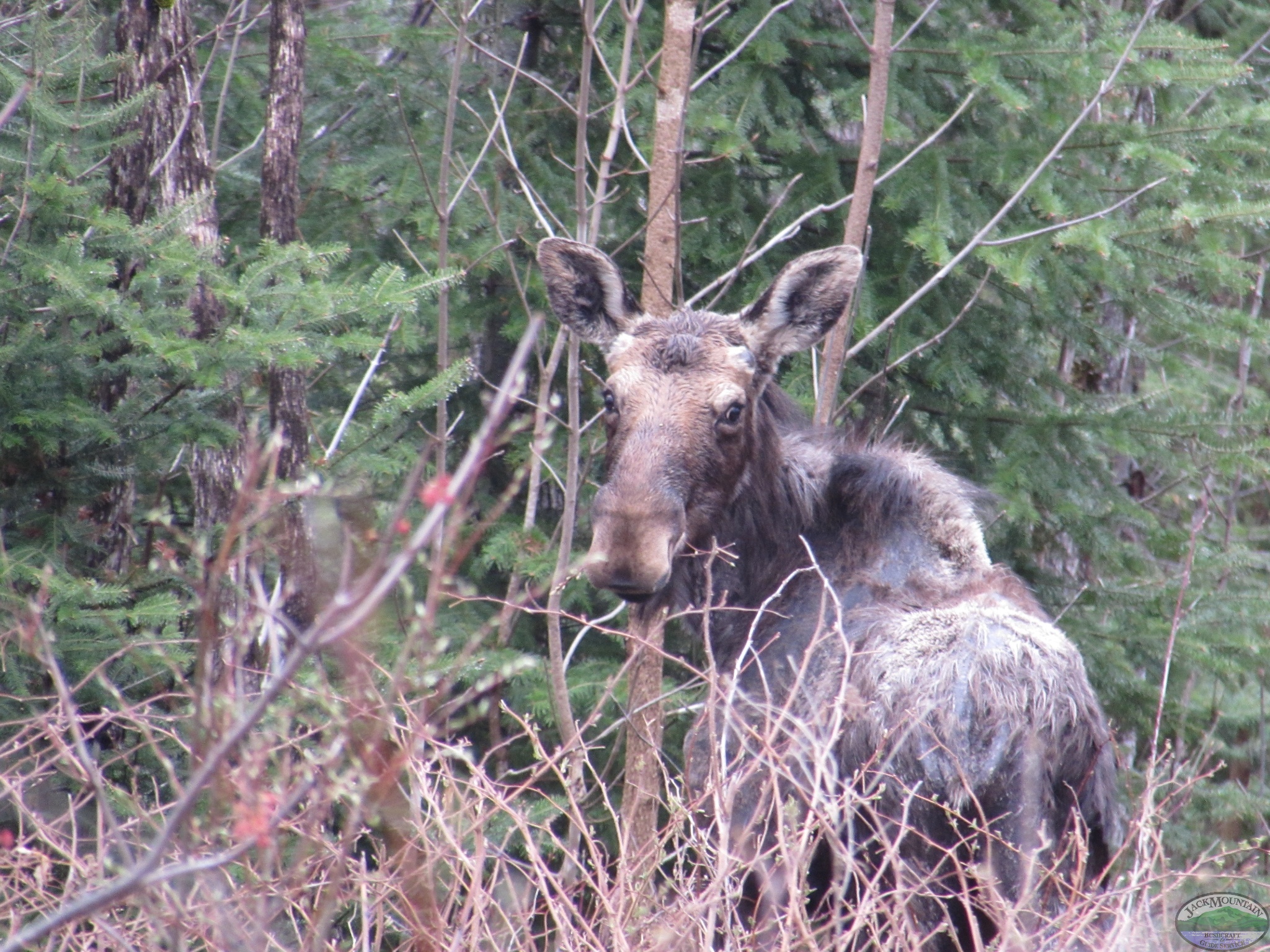
Cooking takes place in our outdoor kitchen over an open fire or a propane stove. Food is stored next to the outdoor kitchen in bins and critter-proof containers. We occasionally have porcupines, raccoons and skunks in camp, so we make sure that everything is cleaned up and put away before dark.

We strongly encourage students to get some experience cooking before they arrive, particularly with whole grains and beans. It is much easier to learn the basics of cooking at home than in the bush. Learn to make a few things you like, then you'll have a foundation on which to build.


Housing

During our spring, summer and fall courses students stay in one of our small, individual shelters or their own tent. They also build a variety of different shelters and stay in them for several days. During the Earth Skills Winter Program, students stay in woodstove-heated shelters while at our home base, and in woodstove-heated wall tents in the bush.


Bathing and Hygiene

Students are expected to maintain acceptable levels of hygiene throughout the course. This is accomplished by swimming in the river (without soap or shampoo), our outdoor shower (with soap and shampoo) and sweats in our sauna.


Composting Toilet System

Before their course begins, each student is encouraged to read The Humanure Handbook. This introduces the composting toilet system we use, and will answer any questions the student might have about procedures, pathogens and safety. We've been using this system since 1996, and have experienced no problems with it. It's simple, odorless and very low cost, and is the basis of our thermophylic composting system.


Laundry

Laundry is done at the laundromat in town or by hand.


Student Communications

We don't have a phone for students to use, but payphones are available nearby in Ashland. Past students who wanted to be in constant telephone contact have used cell phones to do so. We get good cell phone reception at the field school. If you want to stay in touch but don't have a cell phone, consider a prepaid cell phone. Past students have used TracFone's and had good reception.


Charging Batteries, Electricity

Our field school is off the grid. We have a small solar system for our needs, but it is not available for students to charge their cell phones, etc. If you need electricity, plan ahead. There are numerous small solar panels and hand-crank generators that will keep your devices charged.


Guide Training

Although not specific guide training courses, our Earth Skills Education Programs are unparalleled educational experiences for those wishing to go into the guiding profession. Guides are licensed by the state(s) where guiding will take place. If you're interested in testing for a guide license, you should contact the state or province in which you want to guide and find out how to proceed.


Scholarships and Financial Aid

Since we're a small business and not a large institution we aren't able to offer financial aid or scholarships directly. However, past students have been successful at tracking down financial assistance, one of whom was able to locate a scholarship to cover all of his tuition. The place to begin looking is your local library. Ask the librarian to see a list of all grants and scholarships that might be applicable, then spend some time reading through them.


Teaching Assistants

During each semester, summer, and winter Earth skills course we have two teaching assistant positions available to Earth skills program alumni free of charge. TA's live on site and help facilitate the program by participating in the daily instruction and taking an active role on trips. For more information on this visit the Teaching Assistant page.


Gear and Required Reading Lists

Gear and required reading lists are available on the web in the Earth Skills Education Programs Student Packet.


What's Not Included in the Tuition

Not included in the tuition are any meals eaten on the road or out, food to supplement the staple foods provided, entertainment, appropriate licenses (ex. fishing), equipment purchases, medical insurance for students, spending money, etc. Please contact us if there are any questions on this matter.


Environmental Ethic

Throughout our courses students live and learn in a low impact, ecologically sustainable manner. We compost all organic refuse using a simple, efficient, and odorless thermophyllic composting system. We purchase paper products made from recycled, unbleached paper. We eat organically grown food when possible, emphasizing products that have been locally or regionally grown.


Student Information Packet

For more specific information on our Earth Skills Education Programs view the Earth Skills Education Programs Student Packet.


Other Questions?

If you have any questions don't hesitate to email, call, or write with them.

[ back to top ]

JMB • P.O. Box 61 • Wolfeboro Falls, NH 03896 • USA • Contact Details
Phone: (603) 569-6150 • Email: tim@jackmtn.com • Site Map


Copyright © 1999-2009 Jack Mountain Bushcraft, LLC - All rights reserved.