![]() |
|
|
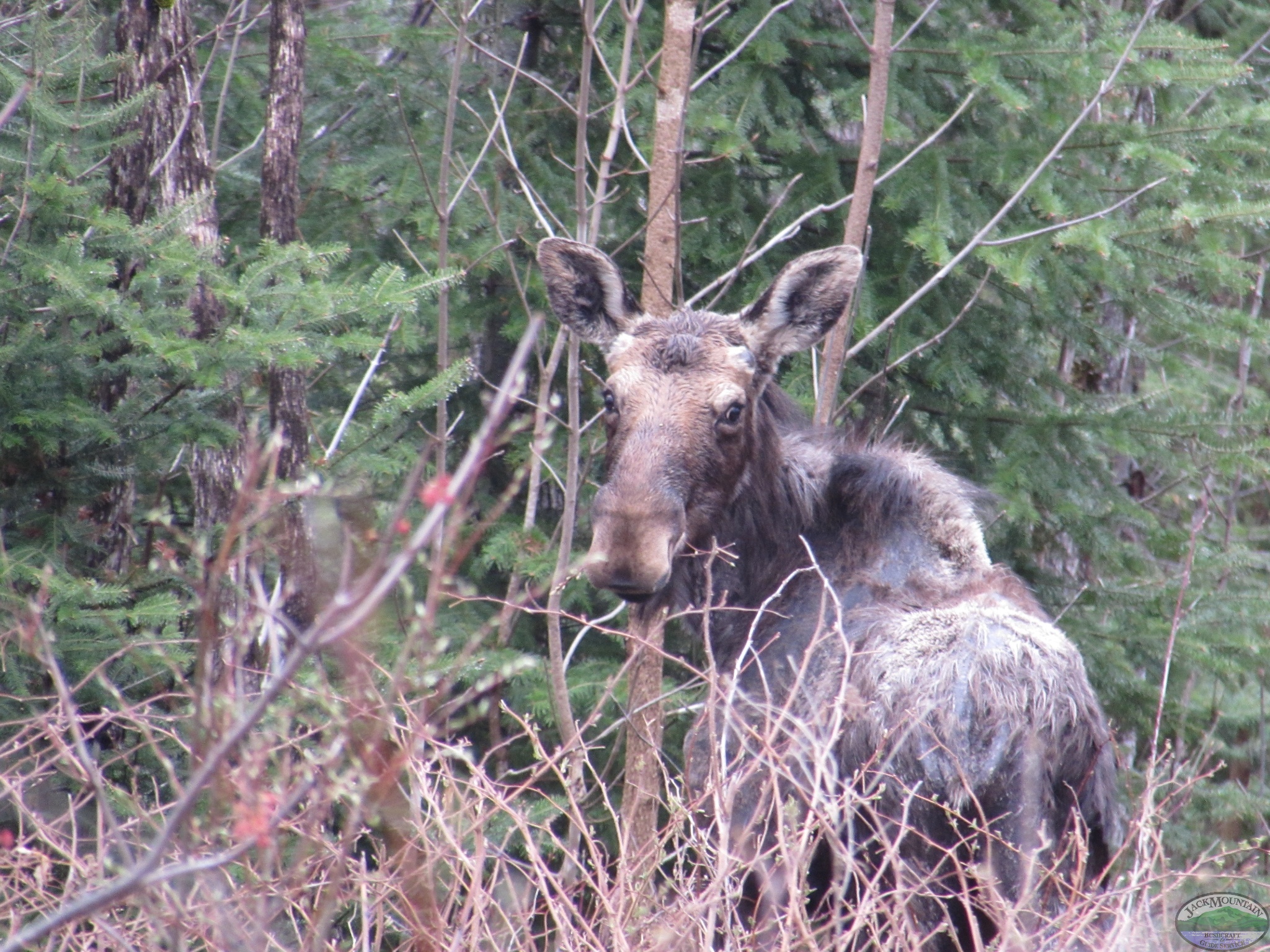
Traditional paddling, poling, lining, portaging, bushcraft and camping skills, and the craft of guiding are covered in this unique learning opportunity on the waterways of northern Maine. Learn to stand in a canoe, pole up and down rapids, cook over an open fire, read the river to determine safe passages and gain the most useful asset a guide can have; experience. Daily lessons on the use of tools such as the axe, knife and saw, setting up a dry and safe camp, cooking over an open fire and building pot suspension rigs with which to do so, baking in the reflector oven and learning to safely and efficiently manage a group will take place after we make camp. In addition to the skills of canoeing and bushcraft, we'll spend a significant amount of time learning the wild plants of the waterway and their uses as we explore backwaters and the bush surrounding the river. Studies of mammals, tracks, birds, and the weather will round out the curriculum. Intended Learning Outcomes:Participants will learn to:
Course ComponentsThe Earth Skills Summer Program draws from numerous disciplines to give the student a thorough education. They include:
Evaluation and CertificationThere are no certifications in bushcraft, wilderness survival or primitive skills that are accepted universally. If any school offers a certification, it's likely a result of their marketing department and probably isn't transferable. None are recognized here. I've crossed paths with numerous people who were "certified" in one thing or another, but in the real world were incompetent, incapable of completing some of the most basic tasks. Thus certified doesn't necessarily mean qualified or competent. Neither does how many courses you've attended, regardless of the school or instructor. What you've accomplished and the experience you've accumulated does. We don't want to certify people. Instead, we seek provide training and field experience and let what they accomplish speak for itself. The way we do that is through our logbook and portfolio assessment system. It records what a student has accomplished instead of placing them in competition with their peers. Students keep a daily logbook during the program to record what they've done. These, along with crafts they've made, projects they've worked on, photographs they've taken, and everything else they've done during the program, are assembled into individual student portfolios. The portfolio is a factual record what you've done. This way, if someone were to ask if you knew how to start a hand drill fire, instead of saying you took a course on how to do it you could volunteer your logbook and state that you've done it "X" number of times. In this era of people being over-certified and under-qualified, this type of assessment system offers a route back to reality. Our Educational Philosophy
Knowledge is power, but knowledge is constructed, not received. It is built incrementally, over time. If teaching were simply telling, then anyone who excelled in a field would be an effective teacher of it. But this transmission model of teaching isn't effective for most learners. Standing in front of someone and telling them what they need to know isn't facilitating learning. Especially when you consider the differences between visual, auditory, and kinesthetic learning styles. We subscribe to the learning model of teaching, where the role of the teacher is to create situations where learning takes place. Students build upon their knowledge daily, and by the end of the experience they've accumulated a storehouse of information and experiences. But the instructor must also make it relevant. It's easy to scoff at friction fire since matches and lighters are so readily available. But remove them from the equation and it's instantly relevant, and the desire to learn the subtleties of the hand drill takes on renewed importance. Our students are actively learning, immersing themselves in the curriculum by necessity. An example of this is how we teach shelter building. You can learn something about a shelter by making one. You can learn more about it by sleeping in it. But to truly know that specific shelter, you need to spend four consecutive nights in it. In this way you're forced to deal with the consequences of shoddy construction or not paying attention to details. Maybe the first night is rough, but it teaches you what you need to do before the second night in order to shore it up and get some sleep. The second night is spent learning some of the subtleties that would make it more comfortable. The third night is fine-tuning it to your specifications, and the fourth night is enjoying the fruits of your labor. If you were to build the same shelter again, you could eliminate the learning curve because you'd know what to do from the outset. That's experiential education. "Experiential education is the process of actively engaging students in an authentic experience that will have benefits and consequences. Students make discoveries and experiment with knowledge themselves instead of hearing or reading about the experiences of others. Students also reflect on their experiences, thus developing new skills, new attitudes, and new theories or ways of thinking." (Kraft & Sakofs, 1988) In addition to passing on traditional skills, we focus on using them to foster critical thinking, problem solving, creativity, curiosity, and a concern with ethical issues. Summed up in a single word, our educational philosophy is this: CAN. Housing, Meals, College Credit and Other InformationInformation on housing and meals, as well as other background information, is located on the Earth Skills Education Programs Background Information page. Past students have received college credit for their work in with us. For more information on how to set this up visit the credit information page. To Apply to the Earth Skills Semester, Summer and Winter ProgramsOur Earth Skills programs open to anyone, from anywhere, with a strong interest in learning the traditional bushcraft skills of the northern forest. The minimum age for the semester programs is 18, while the summer and winter programs is 16. No previous outdoor experience is required or assumed.
Get More Information - ESSP Media And Student WorkTo get a better idea of what takes place during the semester, check out these resources:
Also don't hesitate to contact us anytime with questions. The summer program is a component of our Earth Skills and Bushcraft Yearlong Immersion Program.
|
|
[ back to top ]
|